
3D Websites with WebGL: When They're Really Worth It
3D websites with WebGL and Three.js: which businesses they suit, how to keep them smooth on phones, and why content, accessibility and SEO still come first.
A 3D website turns a visit into an experience: products you can rotate, landscapes you scroll through, ideas shown in motion. We build these sites with WebGL and Three.js – so they run smoothly on phones too and fall back gracefully on older devices.
A WebGL mosaic made from our own films: the shards assemble in space and come apart as you scroll on. Built with three.js and a custom shader.
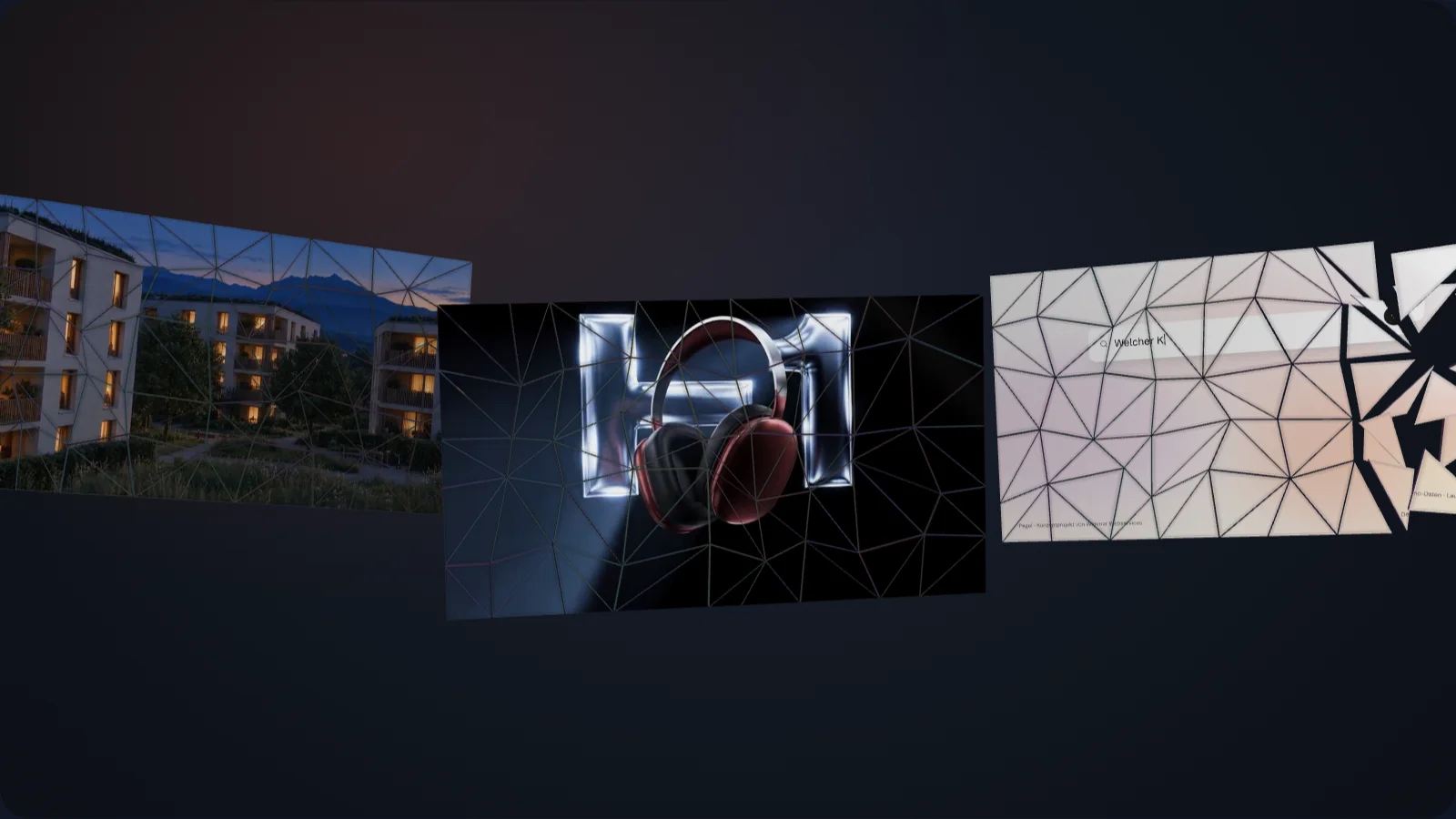
Every variant runs live right here – go ahead and drag, tap and scroll.
Models, rooms or landscapes that visitors can rotate, explore and click.
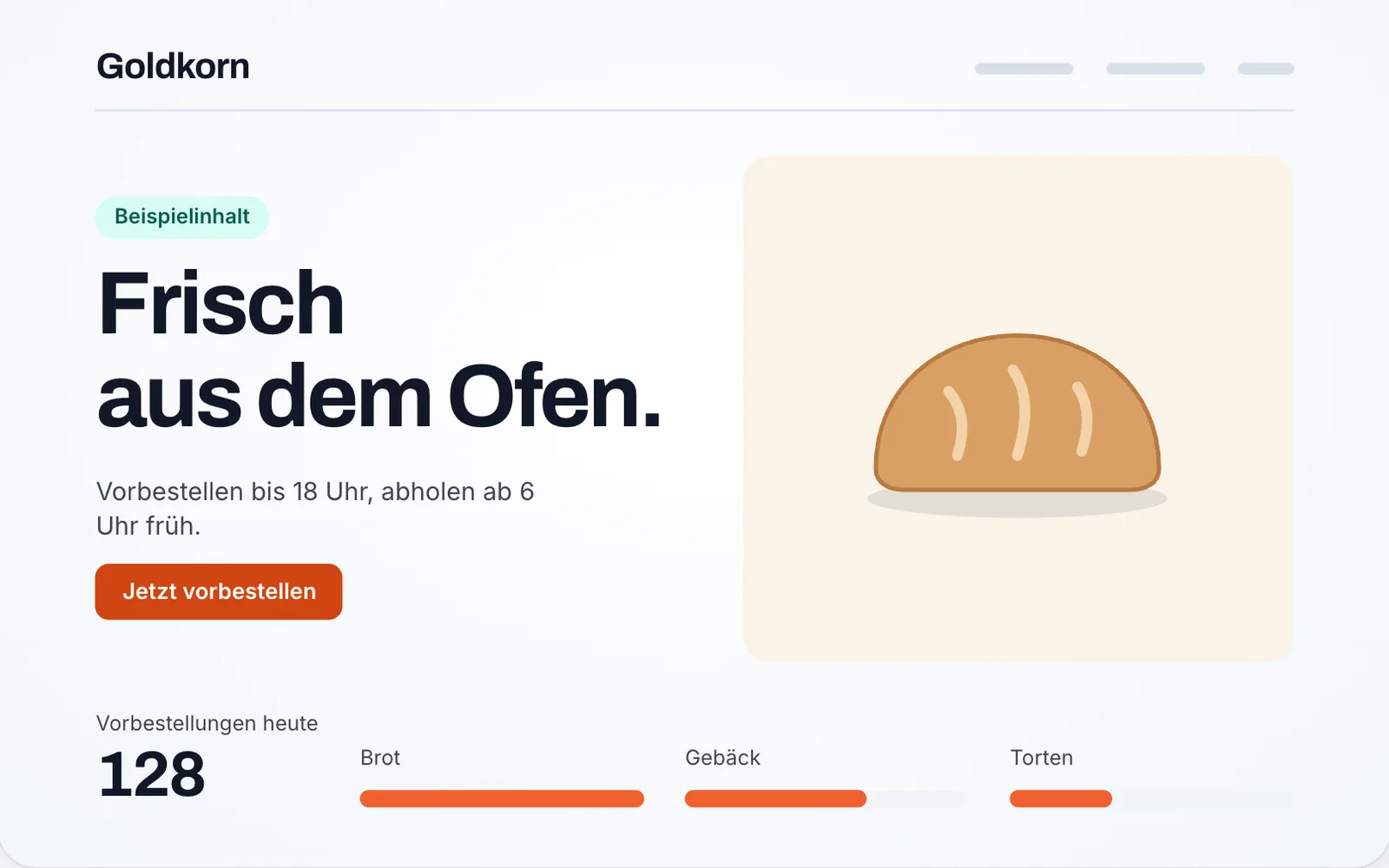
Content that builds as you scroll and tells a story – with GSAP and ScrollTrigger.
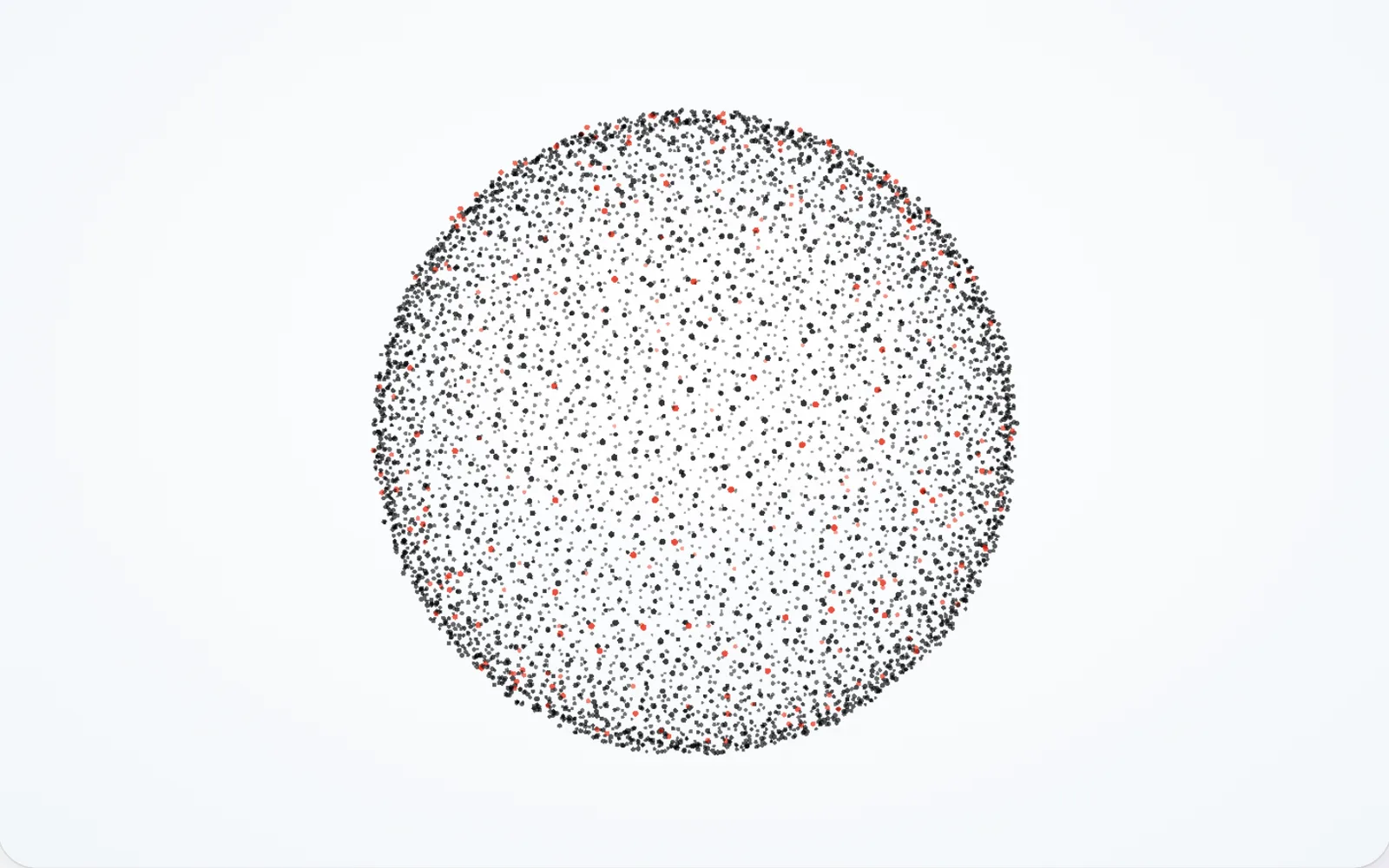
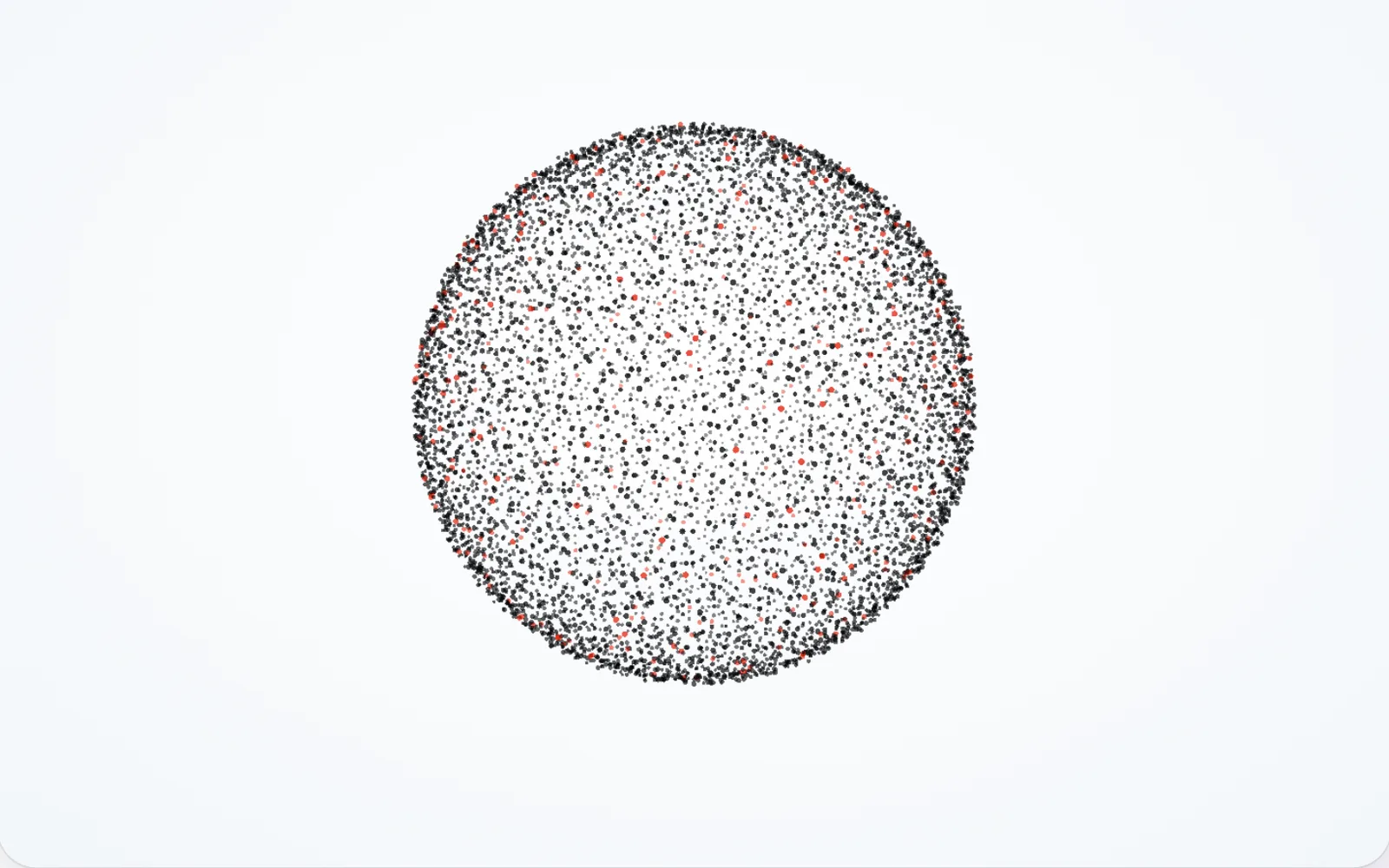
Custom effects that run directly on the graphics card – like the particle transition on our homepage.

Animated logos, type and figures as a short sequence – built in code, crisp at any size and far lighter than a video.
Performance on phones
We optimise models, textures and frame rate so the scene runs smoothly on mid-range phones too.
Fallbacks for older devices
Without WebGL or with reduced motion switched on, visitors see a complete static version – with no error message.
Accessible & findable
Text stays real HTML: readable for screen readers and for Google.


Concept projects: fictional businesses, real technology.
Technically, 3D in the browser runs on WebGL, an interface to the graphics card that all modern browsers support. Three.js is the best-known library for it. Visitors don’t need a plugin or an app – the scene starts right there on the website. Besides custom effects written in code, finished 3D models can be included too – for example in glTF, a format designed specifically for the web.
The most common mistake with 3D websites: the effect comes before the content. A scene that takes ten seconds to load before anyone learns what the site is about costs you visitors. So we load 3D afterwards: headline, text and navigation are there immediately, and the scene joins in as soon as it’s ready. We keep models and textures as small as possible.
It’s just as important to think of everyone who won’t see the experience in full: older phones, laptops without strong graphics, people who have turned on reduced motion in their system settings. For them there’s a well-designed static version that informs just as well. And because all text stays real HTML, search engines and screen readers can read it.
3D is worth it when it explains something or makes it tangible in a way a photo can’t – a product from every side, a location in its landscape, a process in motion. Whether that applies to you is something we discuss in the first conversation. Sometimes a well-placed animation does more than a whole 3D world. In the clickable prototype you see early on how the scene feels – on a big screen just as much as on a phone.
from €1,190
usually €1,190–€1,990
One animated 3D element, for example in the header – smooth on phones, with a fallback for older devices.
from €2,790
usually €2,790–€6,390
Scroll animations and scenes that carry visitors through the whole page.
Guide prices in euros, no VAT is charged (Austrian small business exemption). You get your fixed price after our first call – no hidden extras.
From the first call to well after launch, you always know what happens next. You get a fixed quote once we have talked.
Start a projectA free conversation about goals, audience and budget. Afterwards both sides know whether it is a fit.
≈ 1 week
Structure, copy and look – as a clickable prototype you can try out first.
≈ 2–3 weeks
Development, content, animation and testing on every device, in both languages.
≈ 3–6 weeks
Go-live, handover and then SEO, hosting and maintenance from one team.
ongoing
A single 3D scene for an existing site starts at €1,190 (usually up to €1,990), a 3D website with several scenes at €2,790 (usually up to €6,390) – no VAT is charged (Austrian small business exemption). Custom 3D models or a configurator come on top. After the first call you get a fixed price.
Yes, if it’s built for it. We plan for phones from the start and test on real devices. Older devices automatically get a lighter or static version.
Not if it’s done right. Content and navigation load first, and the 3D scene is added afterwards. That keeps the site fast, even if the scene itself needs a moment to load.
No, as long as all important text is on the page as real HTML and doesn’t disappear into the graphics. That’s how we build our 3D sites. The scene is an extra; the content stays readable for Google.
Not necessarily. We’re happy to include existing models, for example from product development, and prepare them for the web. But many effects need no model at all – they’re made from particles, shapes and light.
3D websites with WebGL and Three.js: which businesses they suit, how to keep them smooth on phones, and why content, accessibility and SEO still come first.
Tell us what your visitors should see. We’ll get back to you within one business day and tell you whether 3D is the right way to do it.
Tell us briefly about your project. We will get back to you within one business day.
Your enquiry has arrived. We will get back to you within one business day.
You are talking to an AI, not a human. Answers can contain mistakes – for anything binding, please ask us in person.
To answer, your messages go to Anthropic (USA). We don’t store any content. Please don’t enter sensitive data. More in our privacy policy
AIHi! I’m the AI assistant of Wimmer Webservices. Ask me about websites, AI solutions, 3D, SEO, AI consulting or training.
Test mode: no real AI, no costs.